

For clinics offering hair regrowth or regenerative treatments, patient outcomes are strongly influenced by scalp health. A well-nourished scalp provides the biological foundation for effective interventions, ensuring that treatments work synergistically with at-home care. Integrating scalp health education into patient consultations can strengthen clinical results, build trust, and encourage long-term compliance.
Below, we outline evidence-based recommendations that clinics can share with patients to optimise scalp condition before, during, and after treatment.
1. Exfoliate the Scalp Regularly
Dead skin cells, product build-up, and excess sebum can clog follicles and hinder hair growth¹. Recommending an exfoliating shampoo such as the ALLSKIN | MED Hair Exfoliating Oil-Control Shampoo helps patients maintain a clean scalp, creating optimal conditions for follicular regeneration. The formula contains Piroctone Olamine, Climbazole, Salicylic Acid, and Lactic Acid, all of which support a balanced scalp microbiome and prepare patients for in-clinic interventions.
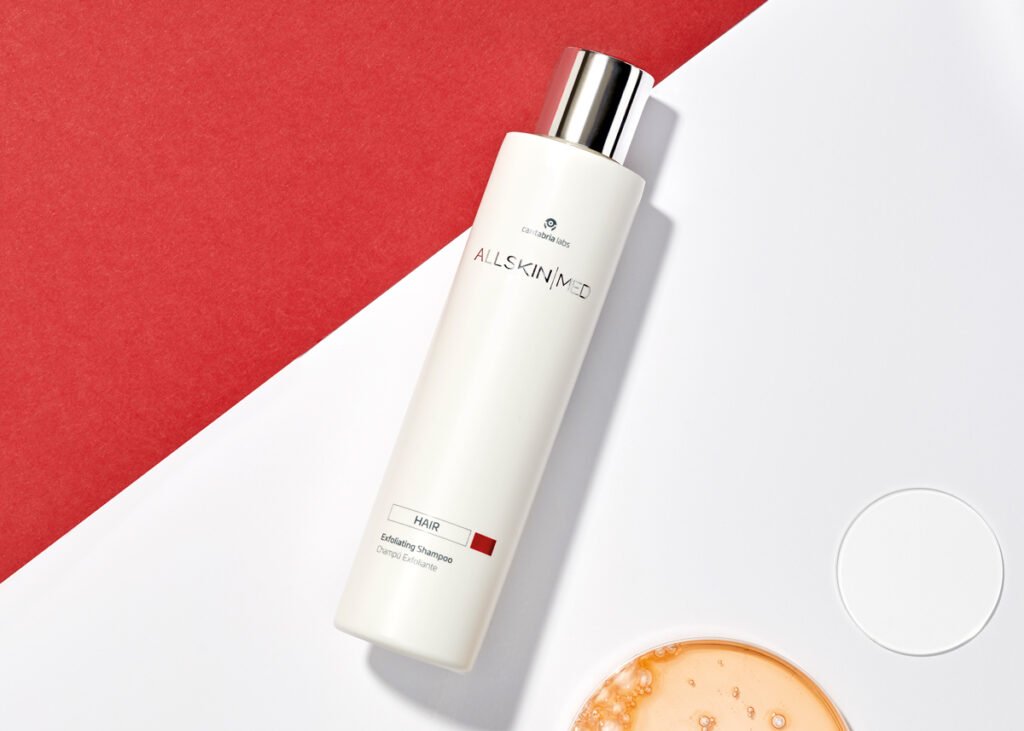
Clinical guidance: Advise patients to gently massage the exfoliating shampoo into the scalp, leaving it on for several minutes before rinsing. This not only enhances scalp clarity but can also improve the efficacy of in-clinic regenerative procedures.
2. Stimulate Circulation with Scalp Massage
Improved blood flow enhances nutrient delivery to hair follicles, which is critical for patients undergoing regrowth treatments². Simple massage techniques can complement clinical interventions by creating a more receptive environment for hair restoration therapies³.
Effective methods include:
Clinical guidance: Encourage patients to integrate short scalp massage sessions into their daily routine, particularly when applying topical products recommended by the clinic.
3. Protect the Scalp from Environmental Damage
External factors such as UV exposure, pollution, and harsh weather can trigger oxidative stress and compromise scalp health⁴.
Clinical guidance:
- Recommend patients wear hats outdoors following in-clinic procedures.
- Advise rinsing hair after swimming in chlorinated or saltwater environments.
- Prescribe or retail antioxidant-rich topical formulations, such as those within the ALLSKIN | MED range, to help reduce oxidative stress and support treatment longevity.
4. Nourish Hair from Within
Systemic nutrition is a vital pillar of hair regrowth. The ALLSKIN | MED Oral Capsules provide a clinically designed blend of key nutrients, including:
- Pumpkin Seed Oil: anti-inflammatory fatty acids that have shown efficacy in androgenetic alopecia⁵
- L-Cystine: an essential amino acid and keratin precursor, shown to improve hair quality in chronic telogen effluvium and androgenetic alopecia⁶
- B-complex and antioxidant vitamins: essential cofactors for metabolic pathways involved in hair vitality⁷
- Zinc, Copper, and Selenium: critical for enzymatic activity linked to follicular health⁸
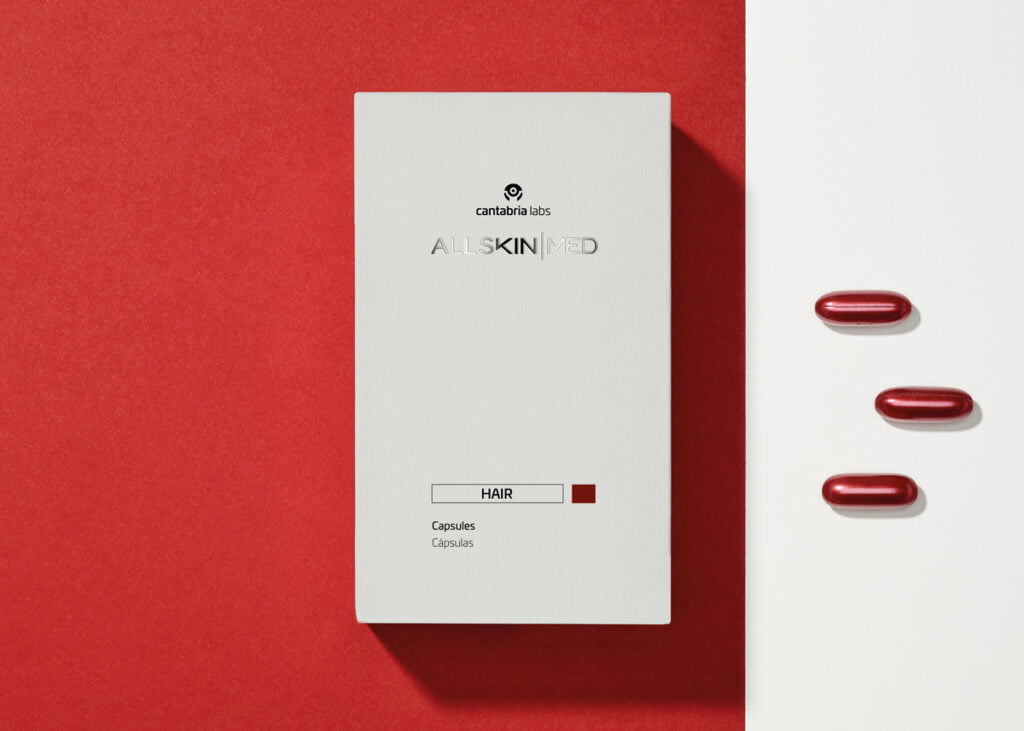
Clinical guidance: Recommend daily oral supplementation alongside professional treatments to reinforce the internal environment needed for sustained regrowth.
5. Manage Stress for Better Outcomes
Chronic stress disrupts the hair growth cycle and can reduce the effectiveness of regenerative treatments by precipitating shedding conditions such as telogen effluvium.
Clinical guidance: Discuss stress-management strategies with patients, including:
- Prioritising 7-9 hours of restorative sleep to regulate cortisol⁹
- Incorporating mindfulness or meditation, which has been clinically shown to reduce cortisol levels¹⁰
- Supporting patients with time-management tools to minimise stress during long treatment programmes.
Clinical Takeaway
Encouraging patients to adopt these at-home strategies strengthens the effectiveness of the ALLSKIN | MED Hair Regeneration Treatment Plan. By integrating scalp health into your treatment protocols, clinics can enhance patient satisfaction, improve clinical outcomes, and reinforce the value of regenerative therapies. If you want to get started with ALLSKIN | MED Hair, please complete the form below.
References
1 Rushton, D. H., Norris, M. J., & Gilkes, J. J. H. (2002). “Causes of Hair Loss and the Developments in Hair Rejuvenation.” Clinical and Experimental Dermatology, 27(5), 396-404.
2 Villines, Z. (2021). How Scalp Massage Promotes Hair Growth and Blood Flow. Medical News Today.
3 Draelos, Z. D. (2019). Hair Growth: Biology and Stimulation Techniques. Journal of Cosmetic Dermatology.
4 Trüeb RM, Henry JP, Davis MG, Schwartz JR. Scalp Condition Impacts Hair Growth and Retention via Oxidative Stress. Int J Trichology. 2018 Nov-Dec.
5 Cho YH, Lee SY, Jeong DW, Choi EJ, Kim YJ, Lee JG, Yi YH, Cha HS. Effect of pumpkin seed oil on hair growth in men with androgenetic alopecia: a randomized, double-blind, placebo-controlled trial. Evid Based Complement Alternat Med. 2014;2014:549721. doi: 10.1155/2014/549721. Epub 2014 Apr 23. PMID: 24864154; PMCID: PMC4017725.
6 Piquero-Casals J, Saceda-Corralo D, Aladren S, Bustos J, Fernández-Botello A, Navasa A, Logusso G, Jourdan E, Mir-Bonafé JF, Morgado-Carrasco D. Oral Supplementation with l-Cystine, Serenoa repens, Cucurbita pepo, and Pygeum africanum in Chronic Telogen Effluvium and Androgenetic Alopecia: A Double-Blind, Placebo-Controlled, Randomized Clinical Study. Skin Appendage Disord. 2025 Feb;11(1):27-35. doi: 10.1159/000540081. Epub 2024 Jul 26. PMID: 39911983; PMCID: PMC11793890.
7 Almohanna HM, Ahmed AA, Tsatalis JP, Tosti A. The Role of Vitamins and Minerals in Hair Loss: A Review. Dermatol Ther (Heidelb). 2019 Mar;9(1):51-70. doi: 10.1007/s13555-018-0278-6. Epub 2018 Dec 13. PMID: 30547302; PMCID: PMC6380979.
8 Kil MS, Kim CW, Kim SS. Analysis of serum zinc and copper concentrations in hair loss. Ann Dermatol. 2013 Nov;25(4):405-9. doi: 10.5021/ad.2013.25.4.405. Epub 2013 Nov 30. PMID: 24371385; PMCID: PMC3870206.
9 Yang Yap, Natasha Yan Chi Tung, Lin Shen, Bei Bei, Andrew Phillips, Joshua F Wiley, Daily associations between salivary cortisol and electroencephalographic-assessed sleep: a 15-day intensive longitudinal study, Sleep, Volume 47, Issue 9, September 2024, zsae087, https://doi.org/10.1093/sleep/zsae087
10 Turakitwanakan, Wanpen & Mekseepralard, Chantana & Busarakumtragul, Panaree. (2013). Effects of mindfulness meditation on serum cortisol of medical students. J Med Assoc Thai. 96 Suppl 1. S90-5.